

Description
counterfeit 1 pound coins: The Complete Guide to Identifying Fake One Pound Coins
counterfeit 1 pound coins have been a concern in the United Kingdom for many years. Before the introduction of the new 12-sided £1 coin, fake pound coins circulated widely, affecting consumers, retailers, and businesses alike. counterfeit one pound coins
Today, the redesigned £1 coin includes advanced security features that make counterfeiting much more difficult. Nevertheless, understanding how counterfeit £1 coins differ from genuine ones remains valuable for anyone who handles cash.
This guide explains everything you need to know about counterfeit £1 coins, including their history, security features, common signs of counterfeit coins, and practical tips for protecting yourself.
What Are counterfeit 1 pound coins?
A counterfeit £1 coin is an illegally manufactured imitation of an authentic one pound coin issued by the Royal Mint.
Counterfeit coins are designed to resemble genuine currency closely enough to deceive people during everyday transactions.
Creating, possessing with intent to use, or knowingly passing counterfeit coins is a criminal offence.
Why Were £1 Coins Frequently Counterfeited?
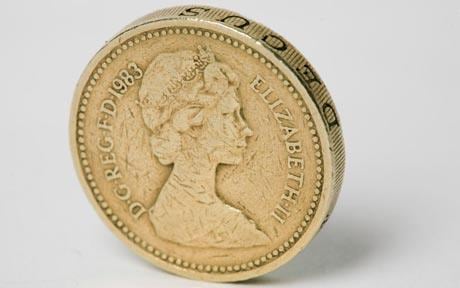
The original round £1 coin, introduced in 1983, became one of the most counterfeited coins in Europe.
Its popularity and relatively simple design made it an attractive target for counterfeiters.
As counterfeit numbers increased, confidence in the coin declined.
To address this problem, the Royal Mint introduced the new 12-sided £1 coin in 2017 with significantly improved anti-counterfeiting technology.
The New £1 Coin
The modern £1 coin is often described as the world’s most secure circulating coin.
It includes multiple security technologies that are extremely difficult to reproduce accurately.
Major features include:
- Twelve-sided shape
- Two-metal construction
- Hidden high-security feature
- Micro-lettering
- Precision milling
- Latent image
- Fine detailed engraving
These features dramatically reduce the likelihood of successful counterfeiting.
How to Identify Counterfeit £1 Coins
Check the Shape
The modern £1 coin has twelve distinct sides.
Uneven edges or poor shaping may indicate a counterfeit.
Examine the Metal
Authentic coins use two different coloured metals that are securely bonded together.
Poor colour matching or visible separation between the metals can be warning signs.
Inspect the Lettering
The edge lettering should be sharp, evenly spaced, and professionally engraved.
Counterfeit coins often display irregular lettering or inconsistent depth.
Look for Fine Details
Authentic coins feature highly detailed artwork produced using precision minting techniques.
Counterfeit coins may have:
- Soft details
- Blurry images
- Uneven surfaces
- Poor-quality engraving
Check the Weight
Genuine £1 coins are manufactured to strict specifications.
Coins that feel unusually light or heavy may warrant closer inspection.
Compare With Another Coin
If you’re uncertain, compare the coin with another £1 coin that you know is genuine.
Differences often become obvious when viewed side by side.
Security Features of Genuine £1 Coins
Modern £1 coins contain several advanced security elements:
- Twelve-sided design
- Hidden latent image
- Two-metal construction
- Micro-lettering
- Precision-milled edges
- Detailed engraving
- High manufacturing accuracy
Together, these features help distinguish genuine coins from counterfeit ones.
Common Signs of counterfeit 1 pound coins
Some warning signs include:
- Incorrect colour
- Blurry design
- Poor edge lettering
- Uneven thickness
- Rough finish
- Missing security details
- Incorrect dimensions
- Weak engraving
One issue alone may not confirm a counterfeit, but multiple inconsistencies should raise suspicion.
Why Counterfeit Coins Matter
Counterfeit coins can:
- Cause financial losses for businesses
- Reduce public confidence in cash
- Increase costs for retailers
- Create inconvenience for consumers
- Require additional security measures
For these reasons, counterfeit prevention remains an important priority.
How Businesses Can Reduce Risk
Retailers can protect themselves by:
- Training staff
- Inspecting unfamiliar coins
- Comparing suspicious coins with genuine ones
- Staying informed about Royal Mint security features
- Reporting suspected counterfeit currency
What Should You Do If You Receive a Suspected Counterfeit Coin?
If you suspect a £1 coin is counterfeit:
- Do not attempt to spend it.
- Compare it with a genuine coin if available.
- Contact your bank or the appropriate authorities for guidance.
- Provide information about where you received the coin if requested.
Avoid knowingly passing on a coin you believe to be counterfeit.
Frequently Asked Questions
Are counterfeit one pound coins still common?
Since the introduction of the new 12-sided £1 coin, counterfeit versions have become significantly less common due to the enhanced security features.
Why was the old £1 coin replaced?
The original round £1 coin was replaced because it had become one of the most frequently counterfeited coins in circulation.
How can I identify a fake £1 coin?
Check the coin’s shape, edge lettering, metal finish, detailed engraving, and compare it with a genuine £1 coin.
Is the new £1 coin difficult to counterfeit?
Yes. The combination of advanced security technologies makes it one of the most secure circulating coins in the world.
What happens if I receive a counterfeit coin?
You should avoid using it and contact your bank or the relevant authorities for advice on how to proceed.
Tips for Consumers
When handling cash:
- Examine unfamiliar coins carefully.
- Compare suspicious coins with genuine examples.
- Stay informed about current Royal Mint security features.
- Be cautious if a coin appears unusually worn or poorly made.
Awareness remains one of the best ways to reduce the risk of accepting counterfeit currency.
Final Thoughts about counterfeit 1 pound coins
Counterfeit £1 coins have played an important role in the history of UK currency, leading to the introduction of one of the world’s most secure circulating coins. By learning the security features of genuine £1 coins, recognizing common signs of counterfeiting, and following official guidance when you encounter a suspicious coin, you can help protect yourself and support confidence in the UK’s cash system.



Reviews
There are no reviews yet.