
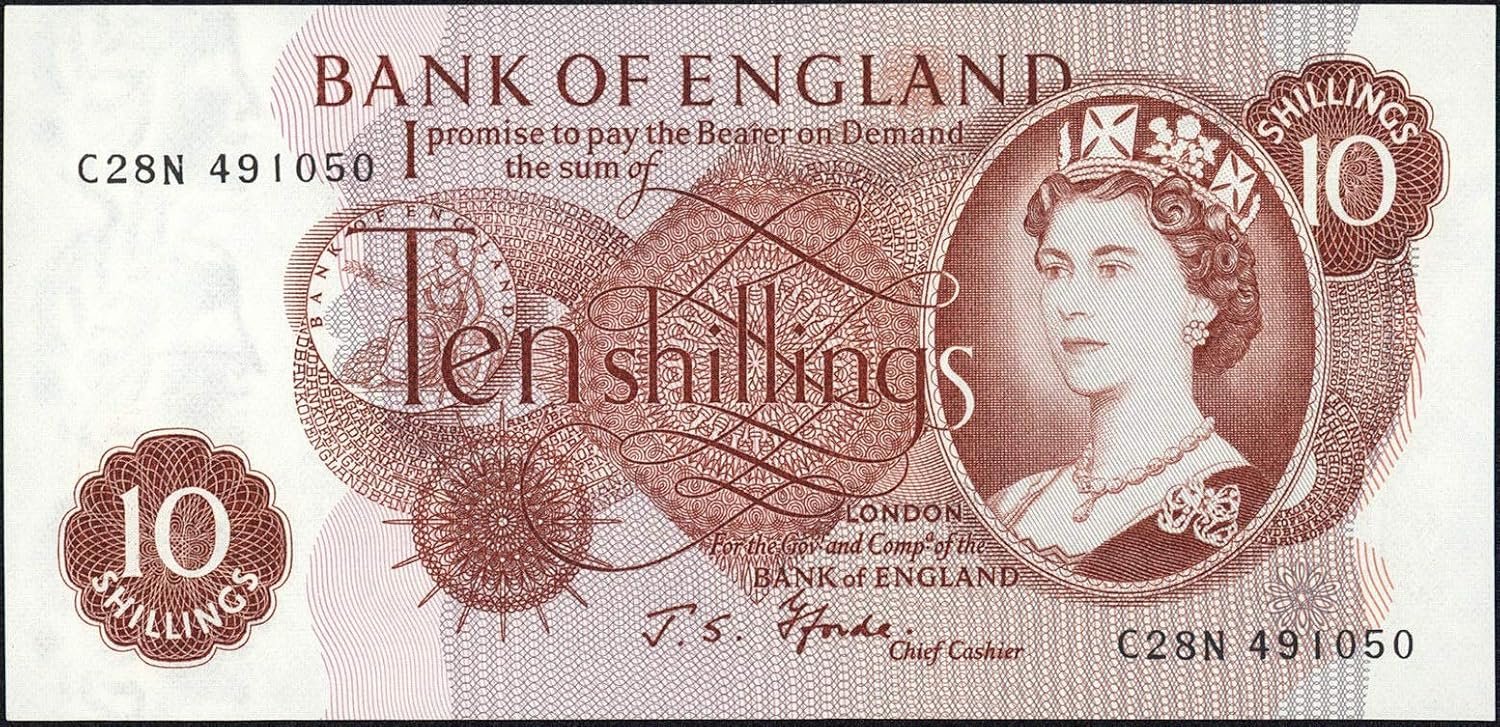
How Much Is a Ten Shilling Note Worth?
A Complete Value Guide for Collectors and Investors
Ten shilling notes are among the most recognizable pieces of historic British paper money. If you’re asking “how much is a ten shilling note worth?”, the answer varies significantly depending on the note’s type, condition, rarity, and issue date.
In this complete commercial-intent guide, you’ll learn how much ten shilling notes are worth today, which ones are rare and valuable, and whether they are worth buying or selling.
What Is a Ten Shilling Note?
The ten shilling note was a denomination of British currency equal to half a pound (£0.50) before decimalisation in 1971. These notes were issued by the Bank of England and were widely used in everyday transactions.
They are especially popular among collectors due to their historical significance and distinctive designs.
Types of Ten Shilling Notes
Not all ten shilling notes are equal. Their value depends heavily on the specific type you own.
1. Treasury Notes (1914–1928)
- Issued during World War I
- Simple design
- Signed by treasury officials
💰 Value: £10 to £150+ depending on condition
Rare examples in excellent condition can exceed £200.
2. Bank of England Notes (1928–1960)
These replaced treasury notes and are more refined in design.
- Feature Britannia imagery
- Various signature combinations
💰 Value: £15 to £200+
Older and well-preserved notes are more valuable.
3. Series C Notes (1960–1970)
These are among the most popular ten shilling notes.
- Feature Queen Elizabeth II
- More modern design
- Widely collected
💰 Value: £5 to £50+
Uncirculated notes can fetch £100 or more.
How Much Is a Ten Shilling Note Worth Today?
Quick Value Breakdown:
| Type | Condition | Value |
|---|---|---|
| Treasury Notes | Worn | £10–£30 |
| Treasury Notes | High grade | £50–£150+ |
| Bank of England (1928–1960) | Average | £20–£80 |
| Bank of England (1928–1960) | Uncirculated | £100–£200+ |
| Series C (1960–1970) | Circulated | £5–£20 |
| Series C (1960–1970) | Uncirculated | £50–£100+ |
Key Factors That Determine Value
1. Condition (Grade)
Condition is the most important factor for paper money.
- Poor: Torn, faded → low value
- Fine: Moderate wear → mid value
- Uncirculated: Crisp, no folds → high value
Collectors pay a premium for pristine notes.
2. Rarity
Some notes are rarer due to:
- Limited print runs
- Replacement notes
- Unique serial numbers
Rare notes can be worth significantly more.
3. Signatures
Different signature combinations on notes can impact value. Certain signatories are more sought after by collectors.
4. Serial Numbers
Notes with special serial numbers are highly collectible:
- Low numbers (000001)
- Repeating numbers (111111)
- Ladder sequences (123456)
These can multiply the value of a note.
Most Valuable Ten Shilling Notes
1. Early Treasury Notes
- Among the oldest
- Scarce in good condition
2. Replacement Notes
- Marked with special prefixes
- Rare and highly collectible
3. Uncirculated Examples
- Perfect condition dramatically increases value
Are Ten Shilling Notes Still Legal Tender?
No. Ten shilling notes are no longer legal tender since decimalisation in 1971.
However, they still hold:
- Collector value
- Historical significance
- Monetary worth in the numismatic market
Ten Shilling Notes vs Coins
Unlike coins, paper notes:
- Are more fragile
- Are harder to find in high condition
- Often carry higher premiums in uncirculated states
This makes well-preserved notes especially valuable.
Should You Buy Ten Shilling Notes?
Yes, if you want:
- Affordable collectible banknotes
- Historical British currency
- Entry-level numismatic investment
They are widely available and relatively inexpensive compared to rare coins.
Investment Potential
Ten shilling notes can be a smart collectible investment.
Why collectors buy them:
- Limited supply (no longer printed)
- Increasing demand
- Historical importance
However, the biggest gains are usually seen in rare or uncirculated notes.
Where to Buy Ten Shilling Notes
You can purchase them from:
- Coin and banknote dealers
- Auctions
- Online marketplaces
- Numismatic fairs
Always verify authenticity before purchasing.
Tips for Buying
- Choose notes with minimal folds
- Avoid damaged or repaired notes
- Look for rare serial numbers
- Store properly after purchase
How to Store Ten Shilling Notes
Proper storage is essential:
- Use protective sleeves
- Keep away from moisture
- Avoid folding or handling excessively
- Store in a cool, dry place
Final Verdict: How Much Is a Ten Shilling Note Worth?
The value of a ten shilling note depends on its type and condition:
- £5 to £20 for common circulated notes
- £20 to £80 for older or better-preserved notes
- £100 to £200+ for uncirculated or rare examples
Rare notes with unique features can exceed these ranges.
Conclusion
Ten shilling notes are a fascinating piece of British monetary history. Whether you’re a collector, investor, or simply curious, understanding their value helps you make informed decisions.
From affordable circulated notes to rare high-value pieces, ten shilling notes offer a wide range of opportunities. If you’re looking to enter the world of banknote collecting, they provide an excellent starting point with strong historical appeal and growing demand.