
Banknotes
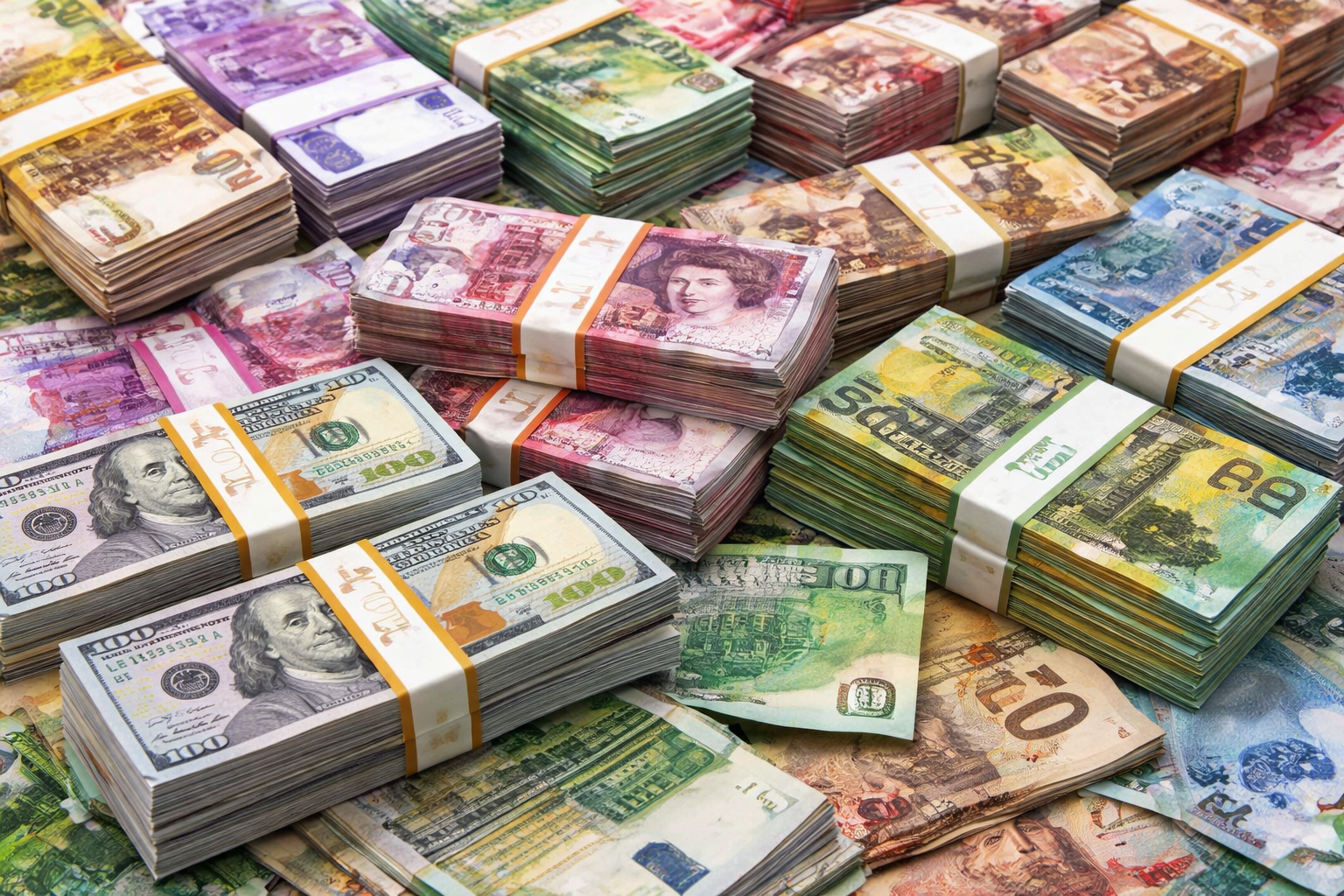
Banknotes commonly referred to as paper money—are one of the most widely used forms of currency in the world. Issued by central banks and governments, banknotes represent a promise of value and are a critical part of modern financial systems. Whether used for daily transactions or collected for historical interest, banknotes combine art, technology, and economics in a fascinating way.
Showing 17–18 of 18 results


What Are Banknotes?
A banknote is a type of negotiable instrument issued by a central authority, typically a central bank, that guarantees the bearer a specific monetary value. Unlike coins, which are made from metal, banknotes are traditionally made from paper or polymer materials and are lightweight, portable, and easy to use.
Historically, banknotes replaced commodity money such as gold and silver due to their convenience and scalability. Today, they are considered fiat money, meaning their value is not backed by a physical commodity but by government regulation and trust.
A Brief History of Banknotes
The concept of banknotes dates back over a thousand years. The earliest known use was in China during the Tang and Song Dynasties, where merchants began using promissory notes instead of carrying heavy coins.
Banknotes later spread to Europe in the 17th century, with early issuers such as the Bank of England leading the way in standardized paper currency. Over time, countries developed their own banknotes, each reflecting unique cultural, political, and historical elements.
Materials Used in Banknotes
Modern banknotes are made from either:
- Cotton-based paper: Traditional and still widely used.
- Polymer: A plastic-based material that is more durable and resistant to wear and counterfeiting.
Countries like Australia and Canada have fully transitioned to polymer banknotes, offering enhanced security and longevity.
Key Security Features of Banknotes
To combat counterfeiting, modern banknotes incorporate advanced security features. These features are designed to be easy for the public to verify but difficult for counterfeiters to replicate.
1. Watermarks
A watermark is a faint image embedded into the paper, visible when held up to light. It often depicts a portrait or symbol related to the note.
2. Security Threads
Thin embedded strips that may appear as a continuous line or dotted segments. Some threads glow under UV light.
3. Holograms
Shiny patches or strips that display changing images when viewed from different angles.
4. Color-Shifting Ink
Ink that changes color depending on the angle of view, commonly used on high-value denominations.
5. Microprinting
Extremely small text that is difficult to reproduce without specialized equipment.
6. Raised Printing
Also known as intaglio printing, this creates a textured surface that can be felt by touch.
7. Transparent Windows (Polymer Notes)
Clear sections within polymer banknotes that include intricate designs and are nearly impossible to duplicate.
Popular Banknotes Around the World
Different countries issue their own banknotes, each with unique designs and security measures:
- US Dollar (USD) – Issued by the Federal Reserve, widely used globally.
- Euro (EUR) – Used across the European Union.
- British Pound (GBP) – Issued by the Bank of England.
- Japanese Yen (JPY) – Known for advanced anti-counterfeiting technologies.
Banknotes vs Digital Currency
While banknotes remain essential, digital payments and cryptocurrencies are growing rapidly. Still, physical cash offers several advantages:
- No need for internet or electricity
- Greater privacy
- Universal acceptance in many regions
However, digital currencies provide speed and convenience, especially for online transactions.
Collecting Banknotes (Notaphily)
Collecting banknotes, known as notaphily, is a popular hobby worldwide. Collectors seek rare, historical, or misprinted banknotes that can be worth significantly more than their face value.
Some collectors focus on:
- Historical banknotes
- Foreign currencies
- Limited edition or commemorative issues
- Error notes
How to Identify Genuine Banknotes
To verify a banknote, follow the “Feel, Look, Tilt” method:
- Feel: Check for raised print and texture.
- Look: Hold it up to light to see watermarks and security threads.
- Tilt: Observe color-shifting elements and holograms.
Always compare suspicious notes with a genuine one if possible.
The Future of Banknotes
Despite the rise of digital payments, banknotes are unlikely to disappear anytime soon. Many countries continue to innovate by introducing more secure and durable designs. Hybrid systems combining physical and digital currencies are expected to dominate the future.
Conclusion
Banknotes are more than just a means of exchange—they are symbols of national identity, technological innovation, and economic stability. From their origins in ancient China to their modern polymer forms, banknotes continue to evolve while remaining an essential part of everyday life.
Understanding how banknotes work, their security features, and their global significance can help individuals make informed financial decisions and avoid counterfeit risks.